
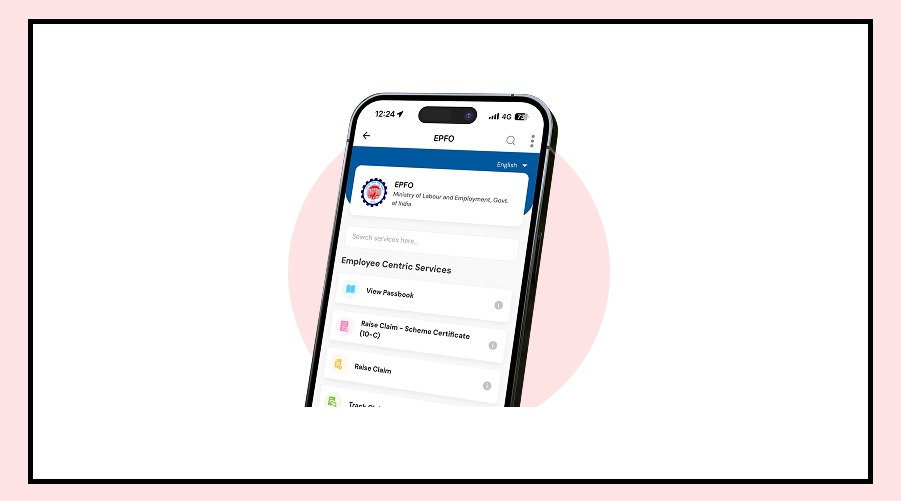

After years of disciplined saving through the Employees’ Provident Fund Organisation (EPFO), retirement finally brings a large provident fund (PF) corpus.
For many salaried employees, this lump sum feels like a major financial milestone.
But it also marks the beginning of a new responsibility — managing this money carefully so it lasts through retirement.
Since salary stops after retirement, the PF corpus becomes the main source of income.
That’s why the early financial decisions you make can strongly affect long-term security.
Here are some common mistakes retirees should avoid after receiving their PF money.
Leaving Your PF Money Idle Without a Plan
One of the most common mistakes is letting the PF corpus sit in savings accounts or fixed deposits without a clear strategy.
This often happens due to confusion about where to invest after retirement.
However, idle money slowly loses value due to inflation and taxes.
Instead, retirees should first define financial goals and then allocate money based on:
Monthly income needs
Emergency requirements
Long-term growth
Without a proper plan, even a large corpus can reduce in value over time.
Not Setting Clear Retirement Goals
Many retirees start spending or investing randomly without dividing their money into specific goals.
Experts suggest splitting the corpus into three parts:
Regular monthly expenses
Medical and emergency needs
Long-term wealth preservation
According to financial experts, a withdrawal rate of around 4% to 6% annually can help maintain steady income without exhausting savings too quickly.
A structured plan ensures financial stability throughout retirement.
Ignoring Asset Allocation After Retirement
Another major mistake is treating the PF corpus as the only investment without adjusting it further.
Since PF savings are mostly debt-based, retirees may need some exposure to equity to protect against inflation.
Completely avoiding growth assets can reduce purchasing power over time.
Financial experts often suggest a balanced approach, such as a 60:40 mix of equity and debt, along with systematic withdrawals from the debt portion while gradually shifting funds as needed.
Overlooking Healthcare Planning
Healthcare is one of the most ignored yet critical parts of retirement planning.
Medical inflation in India is rising, and even a single hospitalisation can severely impact savings.
Retirees should ensure:
Adequate health insurance coverage
A separate medical emergency fund
Regular review of healthcare needs
Without proper planning, medical expenses can become a major financial burden in later years.
Making Emotional Real Estate Decisions
Many retirees consider investing their PF corpus in property, believing it to be a safe option.
However, real estate comes with hidden costs such as:
Loan burden (if any)
Maintenance expenses
Registration charges
Low liquidity
Investing a large portion of retirement savings in an illiquid asset can create financial pressure when cash is needed.
Spending The Entire Corpus Too Quickly
Another common mistake is overspending soon after retirement.
Big expenses like:
Family weddings
Foreign travel
Gifting or celebrations
often lead to emotional decisions rather than planned budgeting.
Once the retirement corpus reduces, rebuilding it becomes extremely difficult.
That is why controlled and structured spending is essential.
Final Thoughts
The PF corpus is not just a retirement payout — it is the foundation of financial security for the rest of life.
Retirement success depends not only on how much you save, but also on how wisely you manage it.
Avoiding mistakes like overspending, poor planning, ignoring healthcare, or making emotional investments can help ensure long-term financial independence and peace of mind.
Careful planning in the early years of retirement can make a significant difference in maintaining stability for decades ahead.