

A major change could soon be on the way for India’s banking sector.
The Reserve Bank of India (RBI) is reportedly considering issuing fresh licences for Urban Co-operative Banks (UCBs), ending a pause that has been in place for more than two decades.
If approved, this would mark the first time since 2004 that new Urban Co-operative Banks are allowed to enter the sector, potentially opening the door for more competition and greater financial inclusion.
Why Is RBI Considering This Move?
Earlier this year, the RBI released a discussion paper seeking public and industry feedback on whether fresh licences should be granted to Urban Co-operative Banks.
According to reports, the response has largely been positive.
Industry participants have supported the proposal, although some have suggested lowering the proposed minimum capital requirement of ₹300 crore to make it easier for new players to enter the sector.
The encouraging feedback has reportedly strengthened the case for restarting the licensing process.
What Are Urban Co-operative Banks?
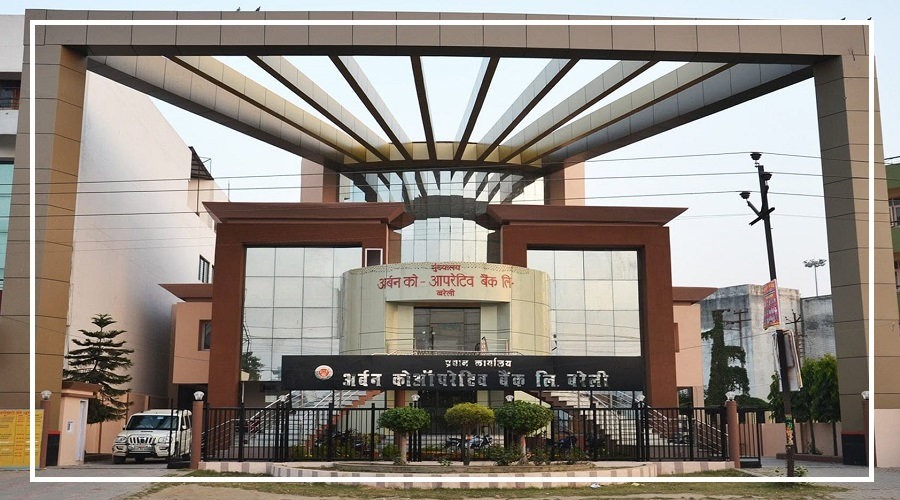
Urban Co-operative Banks are financial institutions that mainly serve local communities, small businesses, traders, and middle-income customers in urban and semi-urban areas.
They operate on a co-operative model, where members play a role in the ownership and management of the institution.
These banks often provide banking services to customers who may not always be fully served by larger commercial banks.
What Benefits Does RBI See?
In its discussion paper, the RBI highlighted several advantages of allowing new Urban Co-operative Banks to be established.
According to the central bank, fresh entrants could help improve financial inclusion by bringing banking services to more people.
New banks could also strengthen the overall health of the co-operative banking sector and encourage better competition.
The RBI also pointed to stronger supervision and regulatory systems that have been developed over the years.
Improved oversight gives regulators greater confidence in managing the sector compared to the situation two decades ago.
Support from umbrella organizations in areas such as technology, capital support, and knowledge sharing is also expected to help new banks operate more effectively.
Challenges Still Remain
Despite the potential benefits, the RBI has acknowledged that several challenges continue to exist.
One of the biggest concerns is raising sufficient capital.
Co-operative banks also face limitations in attracting investors because of their unique ownership structure.
Other issues include governance challenges, technological gaps, and the relatively small role that Urban Co-operative Banks currently play in the overall banking system.
These factors will likely be considered carefully before any final decision is made.
How Big Is the Urban Co-operative Banking Sector?
Urban Co-operative Banks continue to play an important role in India’s financial ecosystem.
As of March 2025, there were 1,457 Urban Co-operative Banks operating across the country.
Together, they held total assets worth approximately ₹7.38 lakh crore and deposits of around ₹5.84 lakh crore.
These figures highlight the significant presence of the sector despite the absence of new licences for the past 20 years.
What Happens Next?
While no final decision has been announced yet, reports suggest that the RBI is seriously considering reopening the licensing process.
If the proposal moves forward, it could lead to the creation of new Urban Co-operative Banks for the first time in two decades, potentially expanding access to banking services and strengthening the co-operative banking sector across India.
The banking industry will now be closely watching the RBI’s next move, as it could shape the future of co-operative banking in the country.