
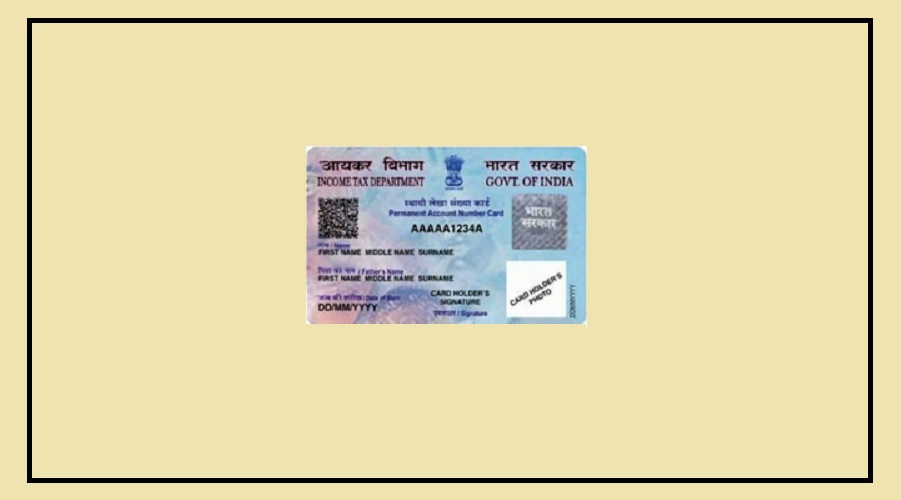

Under the new rules, PAN requirements have been relaxed for some small transactions, but they have become stricter for high-value purchases and investments.
The government has also replaced the old Form 60 with the new Form 97. However, Form 97 will not work in every case, especially for expensive transactions.
Because of these changes, it has become important for everyone to understand where PAN is now mandatory.
Relief for Small Transactions
The government has removed PAN reporting requirements for some low-risk and everyday transactions. This move is expected to make banking and financial work easier for common people.
Transactions such as buying foreign currency, purchasing bank drafts or pay orders with cash, and some prepaid payment instruments will now face fewer restrictions.
According to the government, small and low-risk transactions should not require too much paperwork. This step may also help banks complete customer transactions faster.
PAN Mandatory for Purchases Above ₹2 Lakh
One of the biggest changes is that PAN will now be compulsory for buying goods or services worth more than ₹2 lakh.
The government wants to track expensive spending more effectively to reduce tax evasion. This rule will mainly affect purchases such as luxury products, expensive electronics, high-value cash transactions, and premium shopping.
Officials believe this will improve transparency and help control unaccounted money in the economy.
Strict Rules for Gold Jewellery Buyers
The new rules are especially important for people planning to buy gold jewellery.
If the value of gold purchased is more than ₹2 lakh, showing a PAN card will now be compulsory. In such cases, Form 97 cannot be used as a replacement.
The government considers high-value gold purchases more sensitive because they are often linked to black money transactions. Jewelers will also need to keep proper records of buyers.
Anyone planning to purchase expensive jewellery should make sure their PAN is ready and updated.
PAN Now Essential for Investments
PAN has also become necessary for many investment-related activities.
It will now be mandatory for:
Opening a demat account
Applying for a credit card
Investing more than ₹50,000 in mutual funds or bonds
The government wants all major investments to be connected with PAN details. This will help verify investor identity and reduce tax irregularities.
Without a PAN card, completing such investments could become difficult. Investors are also advised to keep their PAN and Aadhaar details updated.
New Rules for Banking Transactions
The updated rules also target large banking transactions.
PAN will now be compulsory for:
Cash deposits above ₹10 lakh
Cash withdrawals above ₹10 lakh
Securities transactions above ₹1 lakh
Transactions involving unlisted shares
The government says these measures will help authorities detect suspicious financial activities more easily and prevent tax evasion.
Banks and financial institutions may also have to report such high-value transactions to the tax department.
Form 97 Replaces Form 60
The old Form 60 has now been replaced by Form 97.
The government says the new form is more digital and user-friendly. Many details can be filled automatically, which may reduce mistakes during submission.
However, officials have clearly stated that Form 97 cannot be used for major financial transactions where PAN is mandatory. This means the form will only be useful in limited situations.
What These Changes Mean for Citizens
The new PAN rules will affect ordinary citizens, investors, and businesses across the country.
Large financial transactions without a PAN card will now become much more difficult. People who still do not have a PAN card are advised to apply for one as soon as possible.
The government is also encouraging citizens to complete PAN-Aadhaar linking on time. In the future, more financial activities may be directly connected to PAN for better tracking and transparency.